
News
Forklift Trucks are indispensable in the world of material handling, but their power comes with responsibility. This guide explores the fundamental principles of safe forklift operation, covering everything from operator training to load stability.
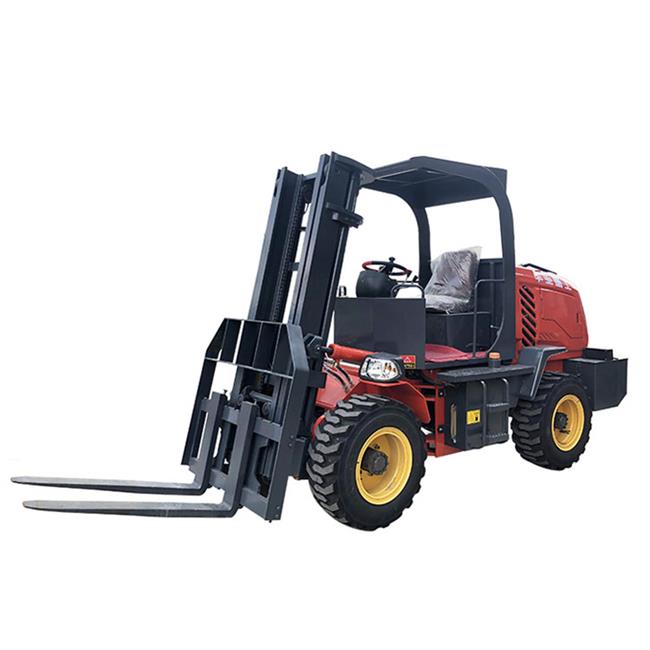
The foundation of safe forklift operation rests on the shoulders of well-trained and certified operators. Comprehensive training programs cover topics such as forklift operation, load handling, and safety protocols. Operators should undergo regular refresher courses to stay up to date on best practices.
Before starting any task, a thorough pre-operation inspection is essential. Operators must check for potential issues, including fluid leaks, tire condition, and the functionality of critical components. Any problems identified should be addressed promptly to ensure optimal forklift performance.
Understanding a forklift's load capacity is essential for safe operation. Exceeding the specified load limit can compromise stability and increase the risk of accidents. Load capacity information is typically displayed on the forklift's data plate.
Safe forklift operation requires the use of proper techniques. This includes maintaining a steady speed, avoiding sharp turns, and using the horn to alert pedestrians. Smooth acceleration and deceleration help ensure load stability and overall safety.
Forklifts share the workspace with pedestrians and other vehicles, making effective traffic management essential. Clear signage, designated pedestrian walkways, and awareness campaigns help create a safer working environment.
Safe forklift operation is a shared responsibility that starts with well-trained operators and extends to thorough pre-operation inspections and strict adherence to load capacity limits. Whether using electric forklifts, counterbalanced forklifts, or reach forklifts, prioritizing safety ensures a secure and efficient material handling environment.
A: Understanding and adhering to the forklift's load capacity is crucial for maintaining stability and preventing accidents caused by overloading.
A: Yes, operators should exercise extra caution in confined spaces, including reducing speed and being more alert to pedestrians and obstacles.
A: Absolutely. Many electric forklift models are designed for both indoor and outdoor use, offering versatility without compromising safety.
A: Refresher training should be conducted regularly, with the frequency determined by factors such as changes in workplace conditions or accidents/incidents.
A: Load stability is essential for preventing tip-overs and ensuring overall forklift safety. Operators must ensure that loads are secure and within the specified capacity.
A: Yes, handling hazardous materials requires adherence to additional safety measures, including proper training, equipment modifications, and compliance with relevant regulations.
Previous. How to safely transport a forklift?