
News
In the field of material handling, the choice between a telescopic forklift and a conventional forklift can significantly affect efficiency and productivity. Now let’s take a look at the main differences between these two types of forklifts—we hope this information is helpful! Click here to send a message, and our experts will be happy to answer your question.
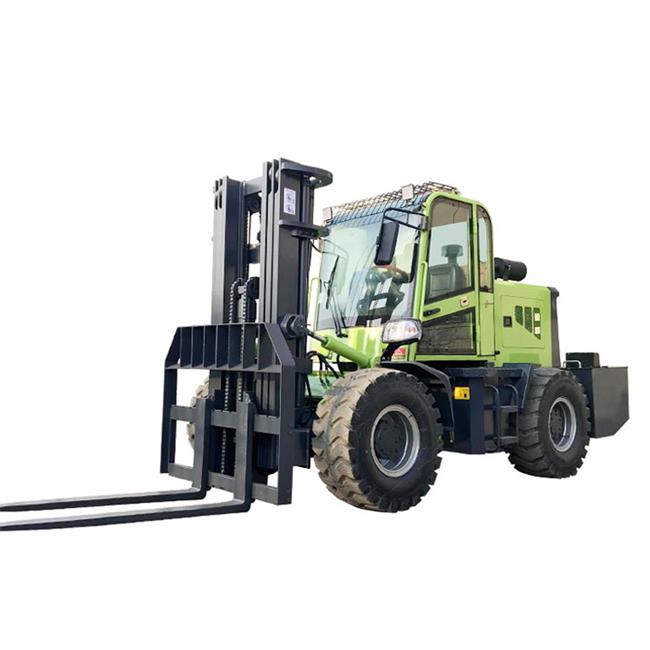
A conventional forklift, also known as a counterbalance forklift, features a simple design with two forks at the front for lifting and transporting loads. It relies on a counterweight at the rear to maintain balance during operation.
On the other hand, a telescopic forklift, often referred to as a telehandler, features a more versatile design. It incorporates a telescopic boom, providing greater reach and lifting capacity. This telescopic feature makes it ideal for tasks that involve lifting materials to greater heights or reaching over obstacles.
Conventional forklifts are capable of lifting moderate to heavy loads within a limited height range. They excel at tasks that require horizontal movement of loads.
Telescopic forklifts, with their extendable boom, offer superior reach, making them ideal for construction sites and tasks that require vertical lifting capabilities. Their lifting capacity is often comparable to, or even exceeds, that of traditional forklifts.
Forklifts are known for their agility in navigating tight spaces, making them ideal for indoor operations such as warehouse management. However, their vertical reach may be limited compared to telescopic forklifts.
Telescopic forklifts excel in outdoor environments where the terrain may be uneven. Their telescopic booms offer the flexibility to reach loads over obstacles, making them indispensable on construction sites.
The great industrialist Henry Ford once said, "Efficiency is doing better what is already being done." Forklifts efficiently handle routine lifting tasks within their operational parameters.
As renowned entrepreneur Elon Musk once said, "Innovation is taking two things that already exist and putting them together in a new way." Telescopic forklifts embody this spirit of innovation, combining the functions of a forklift and a crane into a single powerful machine.
Traditional forklifts generally have a lower upfront cost, making them a cost-effective choice for businesses with standard material handling needs.
Although the initial investment in telescopic forklifts may be higher, their versatility often justifies the cost, especially for industries that require both horizontal and vertical reach capabilities.
Essentially, the choice between a telescopic forklift and a conventional forklift depends on a business’s specific operational requirements. While conventional forklifts excel at traditional material handling tasks, telescopic forklifts offer a more versatile solution for projects that require greater reach and adaptability. The decision ultimately comes down to striking the right balance between operational needs and budget constraints.