News
In the world of material handling, rough-terrain forklifts play a crucial role in ensuring seamless operations in challenging environments. These robust machines are designed to navigate uneven surfaces, providing a versatile solution for various industries. In this blog post, we will delve into the intricacies of rough-terrain forklifts, exploring their classes, applications, and why they are indispensable in certain settings.
Rough-terrain forklifts are classified into different categories based on their design and capabilities. The most common categories include:
These forklifts are equipped with electric motors, making them environmentally friendly and suitable for indoor use. However, they are less commonly used in rough terrain due to their limited outdoor capabilities.
These forklifts run on traditional fuels such as gasoline, diesel, or propane. They are versatile and can handle various terrains, making them a popular choice for outdoor applications.
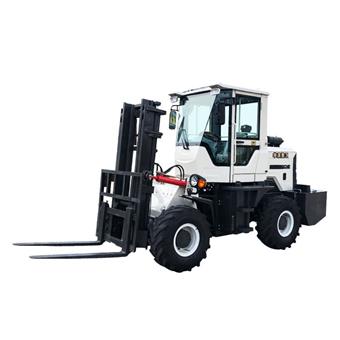
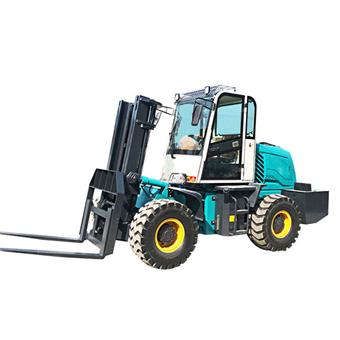
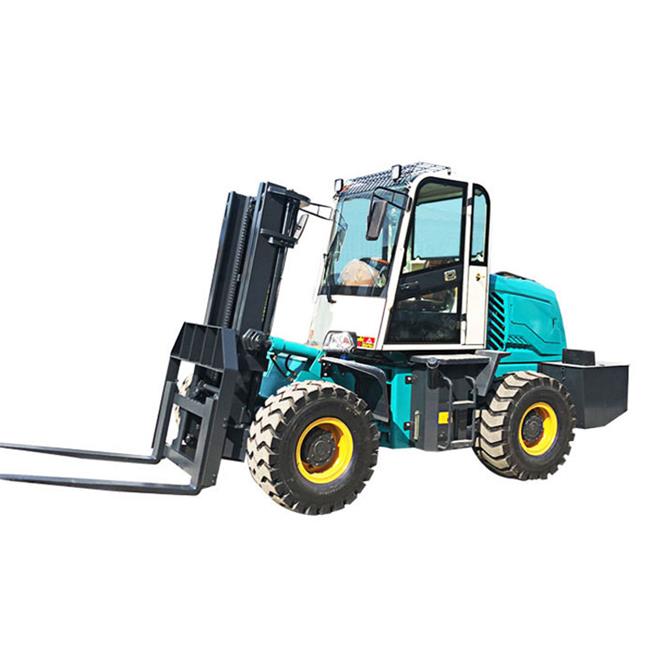
All-terrain forklifts are specifically designed for challenging environments. They feature enhanced suspension systems, larger tires, and powerful engines, enabling them to navigate through mud, gravel, and other rough surfaces with ease.
The versatility of rough-terrain forklifts makes them indispensable in numerous industries. Some common applications include:
Construction Sites: Rough-terrain forklifts excel in construction environments, where uneven ground and rugged terrain are the norm. They efficiently transport materials, equipment, and pallets across the site.
Forestry Operations: In forestry, where the terrain can be unpredictable, these forklifts are essential for moving timber, logs, and other heavy loads.
Farming and Agriculture: Rough-terrain forklifts play a vital role in agricultural settings, helping to handle bulk materials such as feed, fertilizers, and harvested crops.
Mining: The robust design of these forklifts makes them well-suited for the demanding conditions of mining operations, where they help transport materials within the mining site.
The unique features of rough-terrain forklifts make them the preferred choice in certain situations. Here are some compelling reasons to choose these specialized forklifts:
Off-Road Capability: Unlike traditional forklifts, rough-terrain forklifts can easily navigate unpaved and uneven surfaces.
Durability: Built with sturdy materials and reinforced components, these forklifts are designed to withstand the rigors of demanding environments.
Versatility: From construction sites to remote farm fields, rough-terrain forklifts demonstrate their versatility by adapting to a variety of environments.
Increased Lifting Capacity: These forklifts often have higher lifting capacities than similar models, making them ideal for heavy-duty applications.
In conclusion, understanding the types and applications of rough-terrain forklifts highlights their importance across various industries. Their ability to navigate challenging terrain makes them a valuable asset, contributing to the efficiency and productivity of a wide range of operations.
Rough-terrain forklifts are designed with features such as enhanced suspension, larger tires, and robust engines, enabling them to navigate uneven and challenging terrain that traditional forklifts may struggle with.
While electric forklifts are better suited for indoor use, some manufacturers offer models with enhanced features that allow for limited outdoor use. However, internal combustion engine forklifts are more commonly used in rough terrain applications.
Industries such as construction, forestry, agriculture, and mining benefit significantly from the capabilities of rough-terrain forklifts because of their ability to operate in challenging environments.
Despite potentially higher upfront costs, the durability and versatility of rough-terrain forklifts often lead to long-term cost savings, especially in industries with demanding operating conditions.
Regular maintenance is essential to ensure the optimal performance and longevity of rough-terrain forklifts. This includes inspecting and servicing components such as tires, suspension systems, and engines to prevent breakdowns and maximize efficiency.