News
Loaders are essential tools in various industries, from construction to agriculture. However, not all loaders are the same. Understanding the difference between a wheel loader and a general-purpose loader is critical for choosing the right equipment for the job.
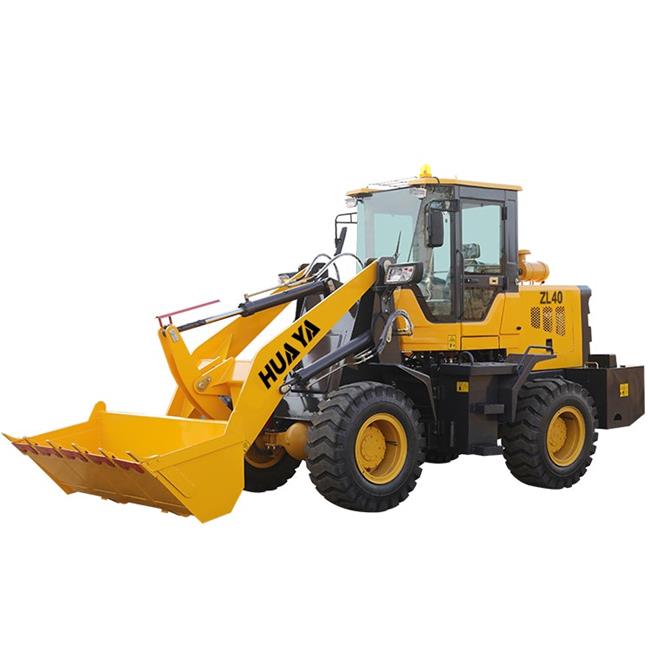
A loader is a heavy machine designed to move, lift, and transport materials such as soil, debris, and rocks. Known for their versatility, loaders come in various types, including backhoe loaders, skid-steer loaders, and tracked loaders.
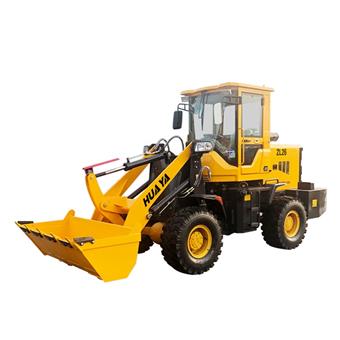
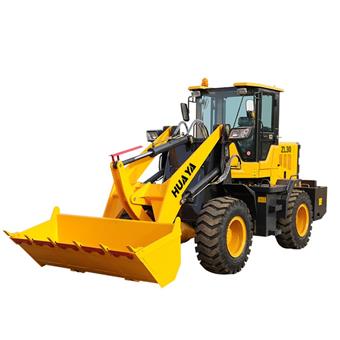
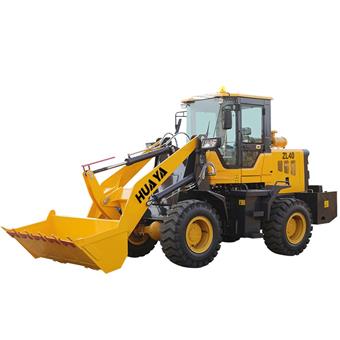
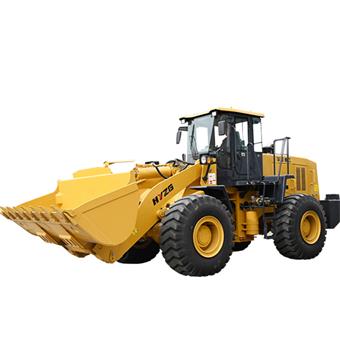
A wheel loader is a specific type of loader equipped with wheels instead of tracks. These machines are known for their speed, maneuverability, and ability to handle heavy loads on stable terrain.
Loader Bucket: Essential for transporting and unloading materials.
Engine Power: Drives the machine's movement and lifting capabilities.
Hydraulic System: Ensures the smooth operation of the arms and bucket.
Wheels vs. Tracks: Wheels allow for higher speeds but offer less traction on unstable surfaces.
Steering Mechanism: Articulated steering enables sharp turns and precise movements.
Enhanced Visibility: A raised cab provides a better view of the worksite.
Loaders rely on hydraulic systems and powerful engines to lift and transport materials. Operators use joysticks or control panels to control movements and attachments.
Wheel loaders operate in a similar manner but are optimized for speed and mobility. Their wheel-based design allows for smooth movement on roads and paved surfaces.
Construction: Moving materials and clearing debris.
Agriculture: Handling feed, manure, and soil.
Mining: Excavating and transporting minerals.
Earthmoving: Digging and grading large areas.
Material Handling: Moving heavy loads efficiently.
Roadwork: Removing snow or transporting asphalt.
Can be adapted to various attachments, such as forks and grapples.
Compact size for limited workspaces.
High mobility and transport speed.
Greater lifting capacity for heavy-duty tasks.
Struggles on rugged or uneven terrain.
May lack the power for heavy-duty tasks.
Expensive compared to compact loaders.
Requires more space to maneuver.
Design and Structure: Wheel loaders have wheels; other loaders may use tracks.
Movement and Terrain Adaptability: Wheel loaders are faster but less suitable for rough terrain.
Use Cases: Wheel loaders excel at high-capacity jobs, while general-purpose loaders are more versatile.
The choice between a loader and a wheel loader depends on the task at hand. While loaders offer versatility and adaptability, wheel loaders bring speed and efficiency to heavy-duty operations. Always assess your project's needs before making a decision.